- Equity Code :832537
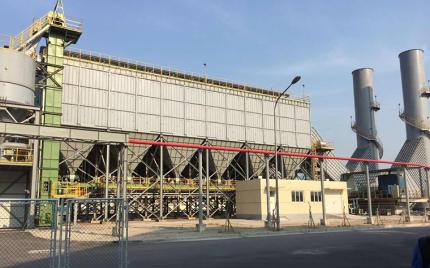
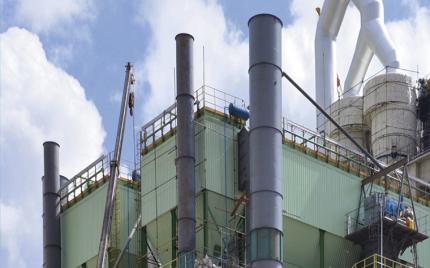
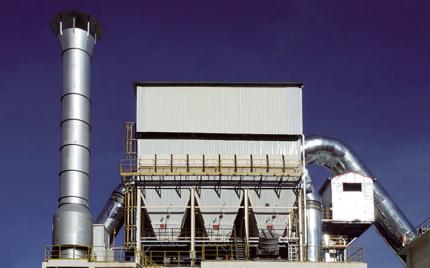
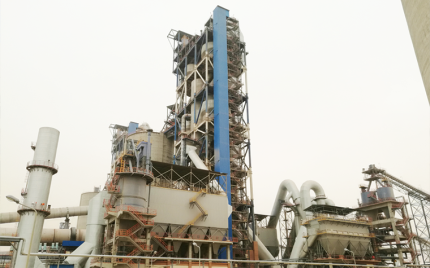
Industrial dust collection systems serve as a fundamental supporting facility for environmental protection and workplace safety in modern industrial production. During industrial processes, it is specifically designed to capture and remove solid particulates (such as dust and fumes) from dust-laden gases.
Industrial dust collection systems separate airborne particulate matter—which is inevitably generated during industrial production—from the gas stream, ensuring that the exhaust gas meets national or local environmental emission standards. At the same time, it improves the working environment, protects workers’ occupational health, prevents safety incidents such as dust explosions, and, in certain cases, recovers materials with economic value.
Such equipment is typically installed on the exhaust ducts of dust-generating sources (such as crushers, grinders, welding stations, furnaces, etc.). Utilizing physical principles such as gravitational settling, centrifugal separation, filtration, electrostatic adsorption, or liquid scrubbing, it separates dust from the airflow, collects and stores it, and ultimately discharges it through manual or automated means.
For factories, dust collection systems are not an optional extra, but rather essential infrastructure that must be installed to meet the multiple demands of compliance, safety, and operational efficiency:
• Legal Requirements: Governments have strict environmental regulations and emission standards governing industrial dust emissions. Factories that fail to meet these standards face penalties such as fines, production suspensions for corrective action, or even the revocation of their operating licenses. Installing dust collection equipment is a fundamental prerequisite for legal operation.
• Protecting Worker Health: Long-term exposure to dust can lead to serious occupational diseases such as pneumoconiosis and silicosis. These conditions are irreversible and have high mortality rates. Factories have a legal obligation to provide workers with a safe working environment; failure to do so may result in substantial workers’ compensation claims and legal litigation.
• Explosion Safety Requirements: Numerous types of industrial dust—including coal dust, flour, metal powders, and wood shavings—can cause dust explosions when they reach a certain concentration in the air and come into contact with open flames or static electricity. The destructive power of such explosions far exceeds that of ordinary fires. Dust collection equipment eliminates explosion hazards at the source by controlling dust concentrations.
• Protecting Production Equipment: Dust can infiltrate the moving parts of machinery, accelerating wear and shortening service life; it can also block heat dissipation channels, leading to equipment overheating and failure. Dust collection systems effectively extend the maintenance intervals and service life of production equipment, thereby reducing operational costs.
• Ensuring Product Quality: In industries such as electronics, food processing, pharmaceuticals, and precision manufacturing, dust contamination can directly result in non-conforming products. Maintaining a clean production environment is essential for ensuring consistent product quality.
• Corporate Social Responsibility: Dust emissions from factories pollute the surrounding atmosphere, affecting the quality of life for nearby residents and triggering public complaints and media scrutiny. Effective dust control measures are a key demonstration of a company’s commitment to maintaining its public image and fulfilling its social responsibilities.
Of course! Actually, we will tailor our solutions to the specific needs of your factory. Our sales team will immediately inquire about the actual conditions at your site so we can proceed with full customization.
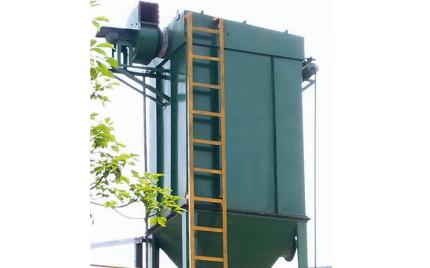
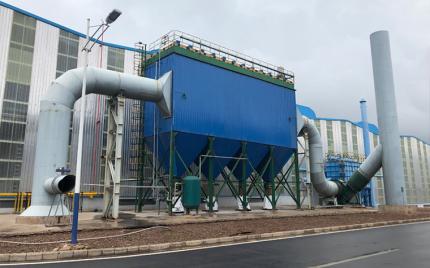
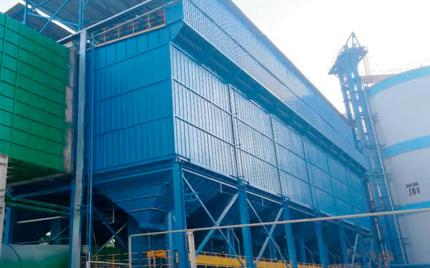
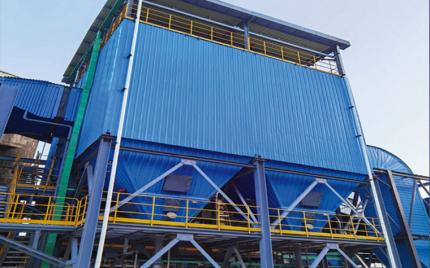
Most of our types are pulse-jet dust collectors. But if you need reverse-air or shaker models, please feel free to contact us. We can do customization, too.
Based on our sales situation over the past few years, most of our clients are from iron & steel, metallurgy, electrolytic aluminum, and ESP industries. It doesn’t matter if you’re from a different industry—our customization capabilities are extensive.
Don't worry, we do offer industrial dust collector retrofit services. We can help modify your existing dust collection system so it doesn't need to be replaced completely. ☞ Contact Us
We have dust collector filter bags, mainly including acrylic, aramid, PTFE, and polyester. ☞ Dust Collector Filter Bags
Jiehua = 50 years of experience + EPC turnkey capabilities + proven track record across thousands of projects + world-class technical expertise + a full-range supplier of environmental protection equipment.
Of course we have! And we're willing to introduce our successful cases to you. Our products are not only popular in China, but also in the Middle East and Southeast Asia.
Here are our cases by different industries:
Building Materials Steel/Metallurgy Electrolytic Aluminum Thermal Power/Incineration Chemical
Is it designed for use under positive or negative pressure conditions? Where is the installation site of the dust collector (including local meteorological parameters, seismic resistance rating, etc)? Operating temperature, moisture content, nature and concentration of dust, and the type of filter media are also required.
Never mind if you can't provide all this information at once. Get in touch with us, and we can discuss everything at your convenience.