- Equity Code :832537
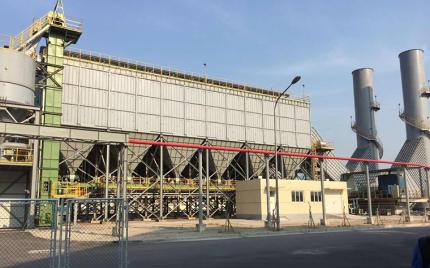
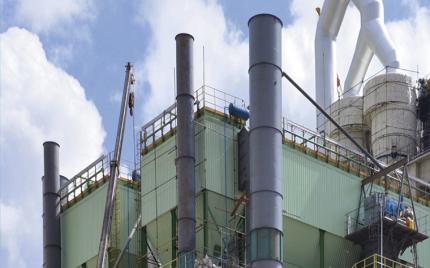
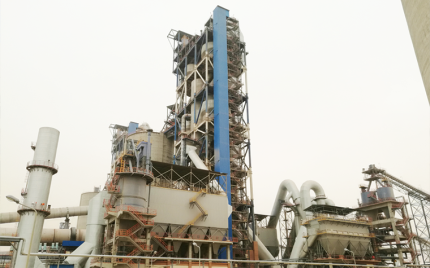
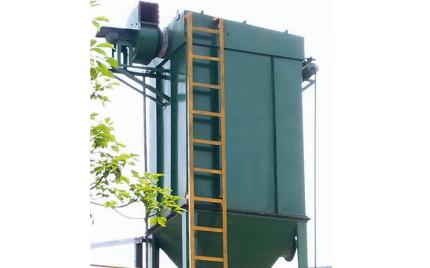
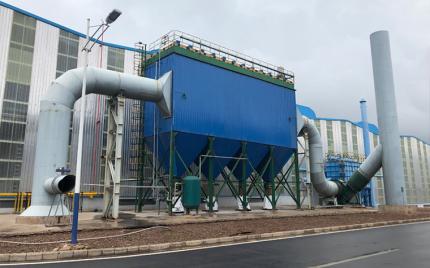
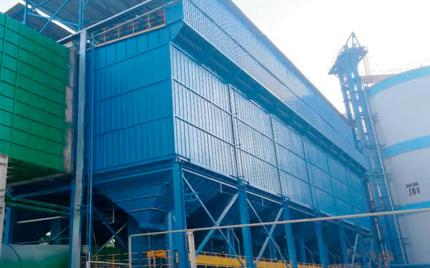
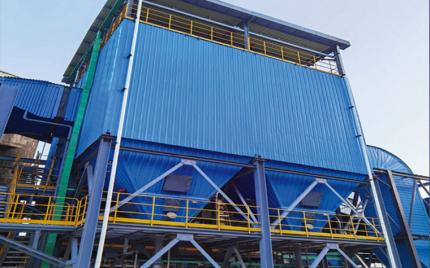
Baghouse dust collectors are widely used in industrial applications, primarily to capture and remove dust and particulate pollutants generated during industrial production processes, thereby protecting worker health and meeting environmental emission standards. The core operating principle involves drawing dust-laden gas into the unit, where it passes through a large number of suspended fabric bags (filter bags). Dust particles are retained on the surface or inner walls of the bags through mechanisms such as inertial collision, interception, and diffusion, while the purified, clean air passes through the filter material and is discharged. As the unit operates over time, a thick layer of dust accumulates on the surface of the filter bags. At this point, dust must be periodically dislodged from the bags using cleaning methods such as pulse-jet cleaning, mechanical shaking, or reverse-air cleaning, causing it to settle into the bottom hopper for centralized collection and disposal.

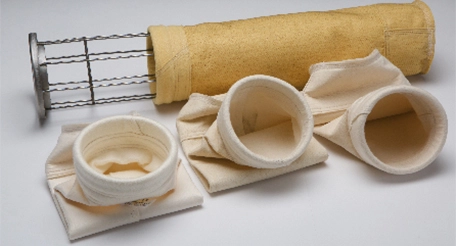
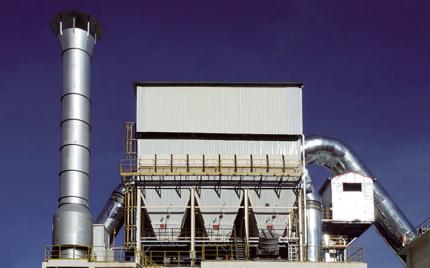
The core components of baghouse dust collectors include filter bags, support cages, housing, cleaning mechanisms, and hoppers. Filter bags are typically made of materials such as polyester or PTFE; you can select the appropriate material based on the specific operating conditions, including temperature, humidity, and chemical properties. The filter bag support cage is a metal skeleton inserted into the filter bag to support it and prevent it from collapsing under airflow pressure. The housing divides the entire system into three zones: the inlet chamber, the filtration chamber, and the clean air chamber, ensuring that the airflow follows the designed path and improving filtration efficiency.
Baghouse dust collectors are primarily classified by their cleaning methods. Currently, the most common type is the pulse-jet, which uses a solenoid valve to control a burst of compressed air that is injected in the opposite direction into the filter bags. This creates intense vibrations and a reverse airflow, dislodging accumulated dust from the bag surface. This method offers effective cleaning and can be performed online without shutting down the equipment, making it increasingly popular among businesses.
Shakers and reverse-air are more commonly found in older equipment or under specific operating conditions, so such systems are not widely used. Most of Jiehua’s dust collectors are pulse-jet, and we can customize solutions based on your specific conditions and requirements.
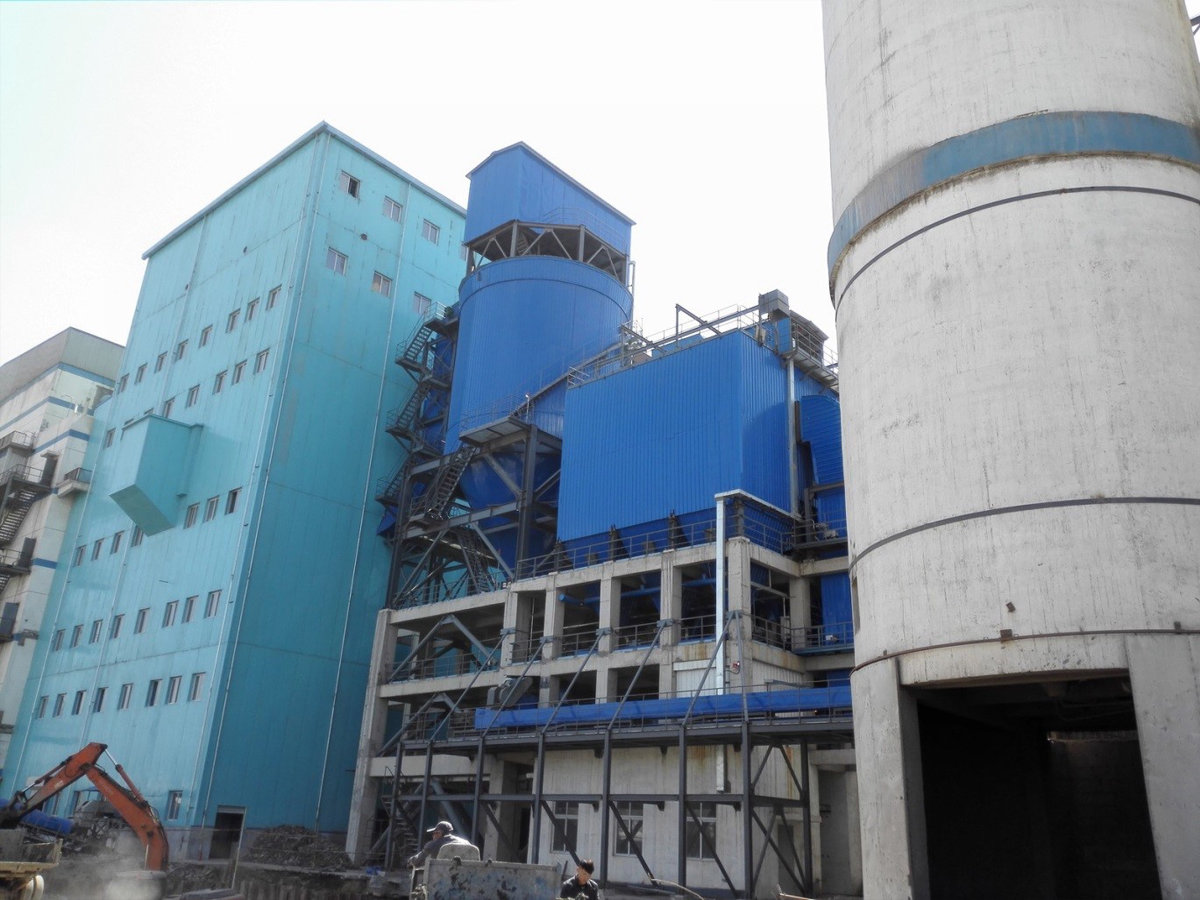
Pulse-jet baghouse is currently the most advanced dust collector. It employs compressed air pulses to clean the filter bags. Unlike other types, the pulse-jet system adopts an “external filtration” structure, in which dust accumulates on the outer surface of the filter bags, while clean air passes through the bags from the outside in.
Pulse-jet baghouse is equipped with a blowpipe above each row of filter bags; small nozzles are positioned on the blowpipe to align with the openings of each filter bag. When a row of filter bags requires cleaning, a solenoid valve opens instantaneously, allowing high-pressure compressed air to be injected into the interior of the filter bags through the nozzles for an extremely short duration (typically only 0.1 to 0.2 seconds). This generates a strong reverse airflow and a shock wave that dislodges the dust layer adhering to the outer surface of the filter bags, causing it to settle into the bottom hopper for collection and discharge. The entire cleaning process can be performed row by row while the equipment is in normal operation, without the need to shut down the system; therefore, it is also referred to as “online cleaning” or “non-stop cleaning.”
1. Filtration efficiency typically reaches 99.9% or higher, with particularly outstanding capture capabilities for fine particulate matter, effectively meeting strict environmental emission standards.
2. The cleaning process can be performed simultaneously while the equipment is in normal operation, without affecting production continuity, making it suitable for industrial settings where frequent production shutdowns are not permitted.
3. Cleaning cycles and pulse-jet parameters can be flexibly adjusted via an automatic control system, ensuring simple operation and minimal manual intervention.
4. For the same airflow volume, the equipment occupies a smaller footprint, making it suitable for factory environments with limited space.
5. With few moving mechanical parts, the equipment offers high overall reliability, minimal daily maintenance requirements, and controllable long-term operating costs.
6. It can handle high-volume, high-concentration dust-laden gas streams and, by selecting filter bags made of different materials, can address complex operating conditions such as high temperatures, high humidity, and corrosive environments, offering a wide range of applications.