- Equity Code :832537

Bag filters are one of the most widely used and trusted technologies in industrial dust collection. Despite their simple appearance, the filtration process behind them involves a precise balance of airflow, filter media, and cleaning cycles. This article explains what a bag filter is, how it works, and where it is typically applied across industry.
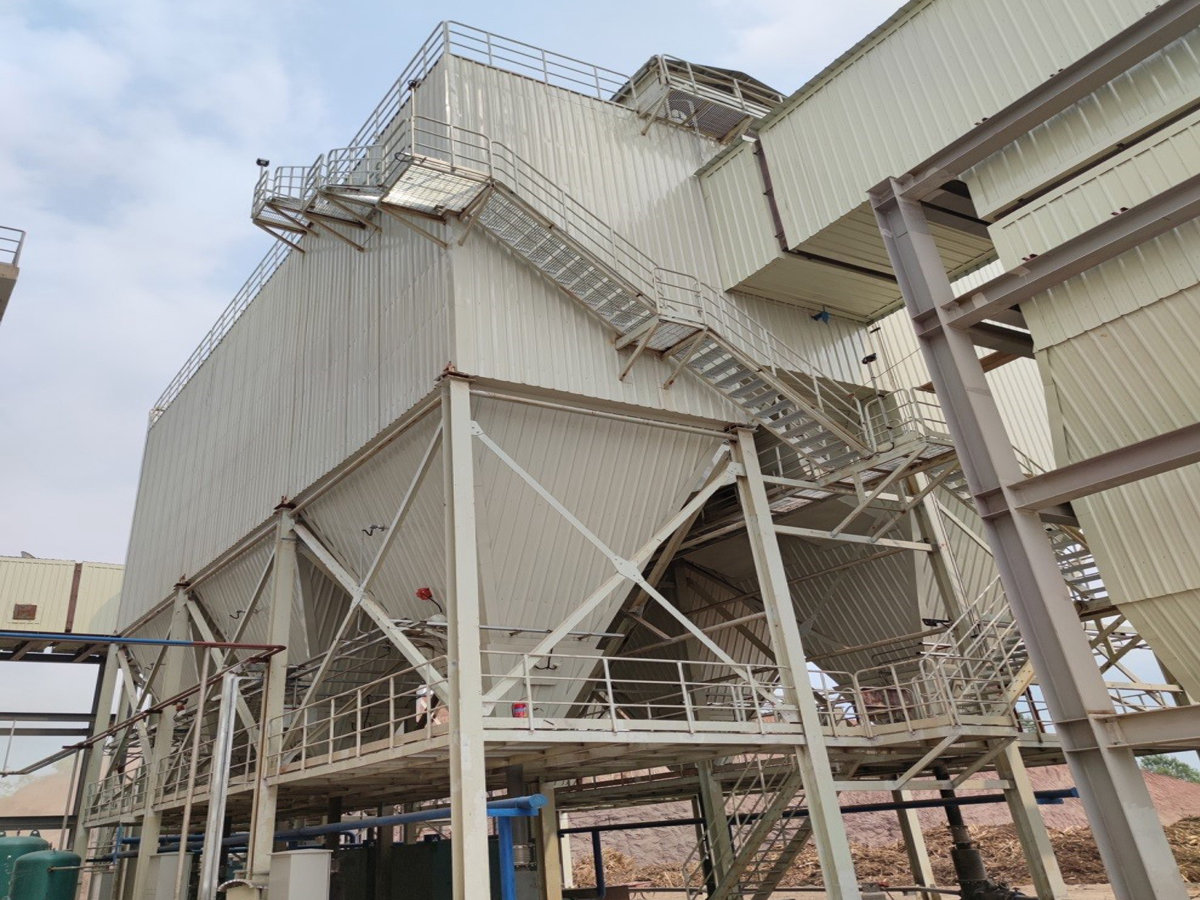
A bag filter, also known as a baghouse, is a dry-type dust collection device that uses fabric filter media to separate solid particulates from an airstream. Dust-laden air is drawn through long fabric bags, which trap particles on the surface while allowing clean air to pass through and exit the system.
The concept is similar in principle to a household vacuum cleaner bag, but scaled up significantly and engineered for continuous industrial operation, high airflow volumes, and demanding conditions. Compared to electrostatic precipitators or wet scrubbers, bag filters are valued for their consistently high efficiency on dry particulates and relatively straightforward operation.
Dust-laden air enters the collector housing through an inlet duct connected to the emission source.
Air passes through fabric filter bags. Particulates are captured on the filter surface while clean air continues through.
A thin layer of collected dust forms on the bag surface, which actually improves filtration efficiency over time.
Once resistance builds up, pulse-jet air, mechanical shaking, or reverse airflow dislodges the dust cake into a collection hopper.
Filter media selection plays a significant role in performance. Polyester bags are common for general-purpose applications, fiberglass media suits higher-temperature streams, and PTFE-coated fabrics are often chosen for fine particulates or moisture-sensitive processes. Matching filter material to the specific dust characteristics and gas temperature is essential for both efficiency and filter lifespan.
Raw material handling, grinding, and kiln exhaust in cement plants generate large volumes of fine dust, making high-capacity bag filters a standard fixture in this industry.
Grinding, cutting, and welding operations produce fine metal particulates that bag filters capture effectively, helping protect both air quality and equipment from abrasive dust.
Wood dust collection is one of the most common bag filter applications, addressing both air quality concerns and the combustion risk associated with accumulated wood dust.
In these sectors, bag filters are often built with hygienic-grade materials and designs that meet sanitation requirements while managing powder and particulate byproducts.
High-temperature or corrosive dust streams in these industries typically require specialized filter media capable of withstanding harsher operating conditions.
Bag filters remain one of the most reliable and proven technologies for industrial dust control, but performance depends heavily on correct sizing, filter media selection, and cleaning system design.
Contact our engineering team to discuss your dust characteristics and get a configuration suited to your production process.